StringCost:
Credit-based Billing for AI Companies.
StringCost automatically creates and prices credits from your underlying token, reasoning, and MCP costs. Then calculates consumption, margin, handles billing overages and invoicing with complex Cost-Plus calculations.
Implement the credit-based billing model used by Lovable without building the backend yourself. Without integrating any complex code or SDKs.
Used by AI-first companies worldwide
A production-grade credit system needs to handle complex logic that billing providers like Stripe don't support.
“You must use Credit-based billing for your AI agent startup, or you are NGMI.”
“Everyone burns 3/4 of their funding and then realizes you should have been on Credit-based billing instead of usage-based billing.”
“It is so much easier selling Credit based billing & pricing to enterprises than convince their CFO to sign off on unpredictable usage costs.”
Why AI Companies Must Learn to Stop Worrying and Love Credits

Real-World Example: AI Builder “Lovable”
Lovable transitioned to a credit-based billing system with its Agent Mode launch on July 23, 2025, making complex AI tasks cost variable credits. On the surface, it's a great example of outcome-based billing. But the implementation revealed critical lessons:
Rapid, Opaque Burn
Users saw credits vanish without explanation. One user spent $225 in a month with zero transparency on why. StringCost solves this with audit logs for every deduction.
Failures Cost Money
If the AI errored 3x, Lovable still charged. Users felt punished for the tool's mistakes. StringCost lets you programmatically refund failed tool calls.
Unpredictable Costs
A feature that cost 5 credits one day might cost 8 the next. StringCost provides strict rate-limiting and cost-capping per user.
Strategic Friction
Positive friction: Users admitted the credit cost forced them to “think strategically” and reduce waste. Used correctly, credits align incentives.
The takeaway: Credits are the right model, but a poor implementation alienates users. StringCost gives you the Lovable model—without the user backlash.

Andreessen Horowitz just declared:
“AI is driving a shift towards outcome-based pricing. Software is becoming labor.”
In practice, “Outcome-based Billing” means Credits.
Look at the industry leaders: Lovable, Gamma, and Miro have all shifted to credit-based models to solve usage volatility.
Why the Math Doesn't Work for Subscription & Usage Billing
You are building an agent. You have two traditional choices for billing, and both of them fail. The third choice is the only one that scales.
Subscription
The "Unlimited" Trap
$20/mo
Flat fee for access.
Power User Loop
A user runs a complex agent loop (GPT-4o, 30 iterations) to fix a bug. They do this 5 times a week.
Usage Billing
The "Taxi Meter"
$0.03/run
Pay-as-you-go metering.
The Cost Anxiety
You show a live cost meter. User stares at the "Run Agent" button and hesitates.
“Will this run cost $0.10 or loop 50 times and cost $10.00? I better not click it.”
Credits Billing
Value-Based Pricing
Prepaid & Postpaid
Users buy packs (e.g. 500 credits for $20).
Outcome Alignment
User spends credits on results (e.g. "Fix Bug"). They already paid, so they feel safe.
Result: Aligns Price, Cost & Value.
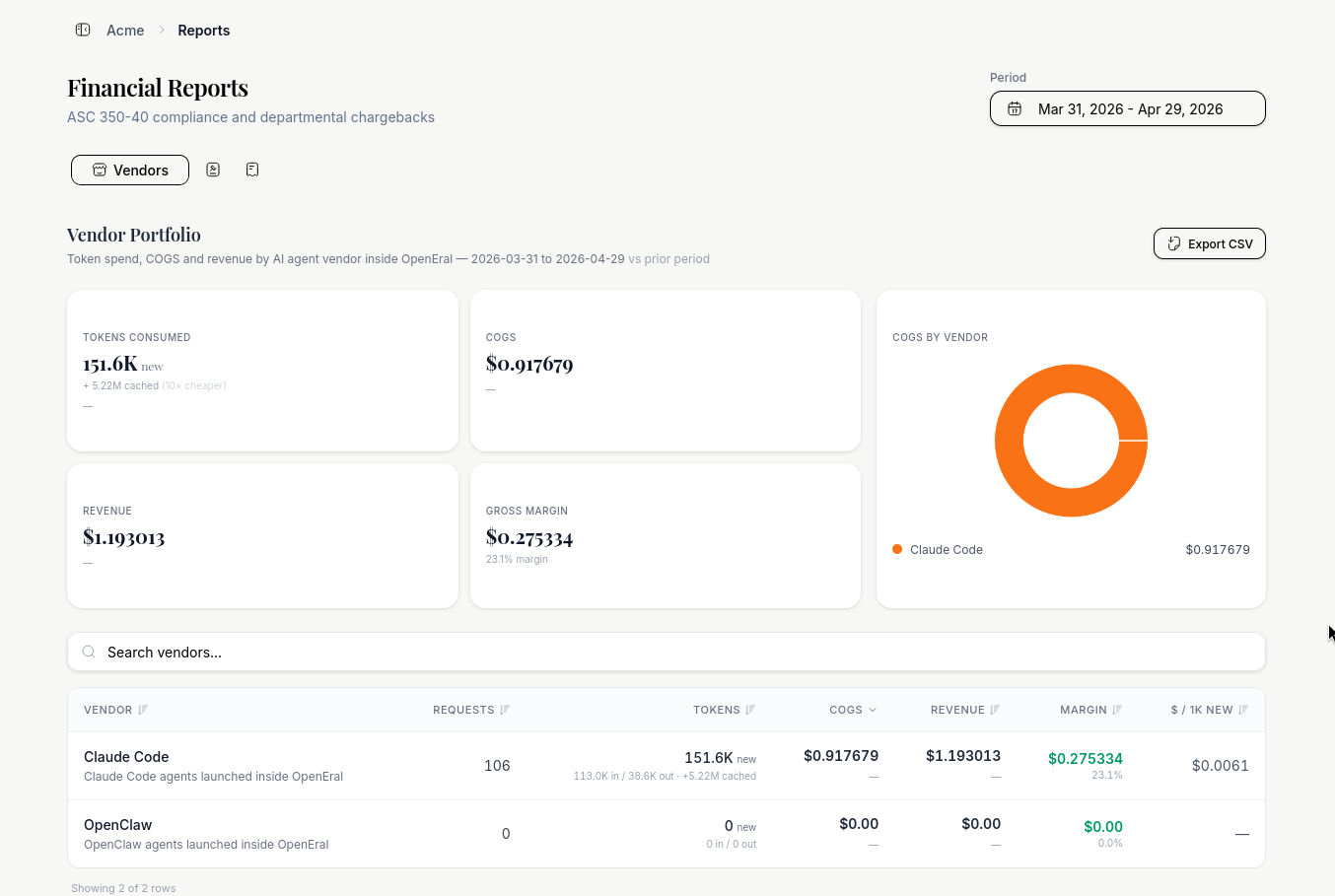
The Hidden Complexity of Credit-based Billing for AI Startups
“We'll just add a column to the users table.”
Not all agents are equal. You need to charge different rates for "Fast Mode" (GPT-4) vs "Standard Mode" (GPT-3.5) dynamically based on the model selected at runtime.
If a user runs out of credits during a stream, you must cut the connection instantly. Polling every minute isn't enough; you need millisecond-level gatekeeping.
Enterprise contracts are messy. "Monthly credits expire, but Top-Up credits roll over." Your ledger must distinguish between different types of credits in the same wallet.
When a user fires 5 parallel agent requests, you can't just read/write the balance. You need atomic locking to prevent double-spending and race conditions.
To guarantee margin, the burn rate must be tied to live input costs (tokens). A static "1 credit per run" kills your margin if the run loops 50 times.
When a user hits 0, you need an auto-recharge trigger that pings Stripe. Building this orchestration securely is a full product in itself.
Credits Require a New Kind of Infrastructure
Only a proxy can see the full economic picture — and turn usage chaos into clean, trustable credits.
The AI economy needed a new billing unit — the credit. But to make credits programmable, cost-aware, and fair, we had to observe everything. That's why we built StringCost as a proxy.
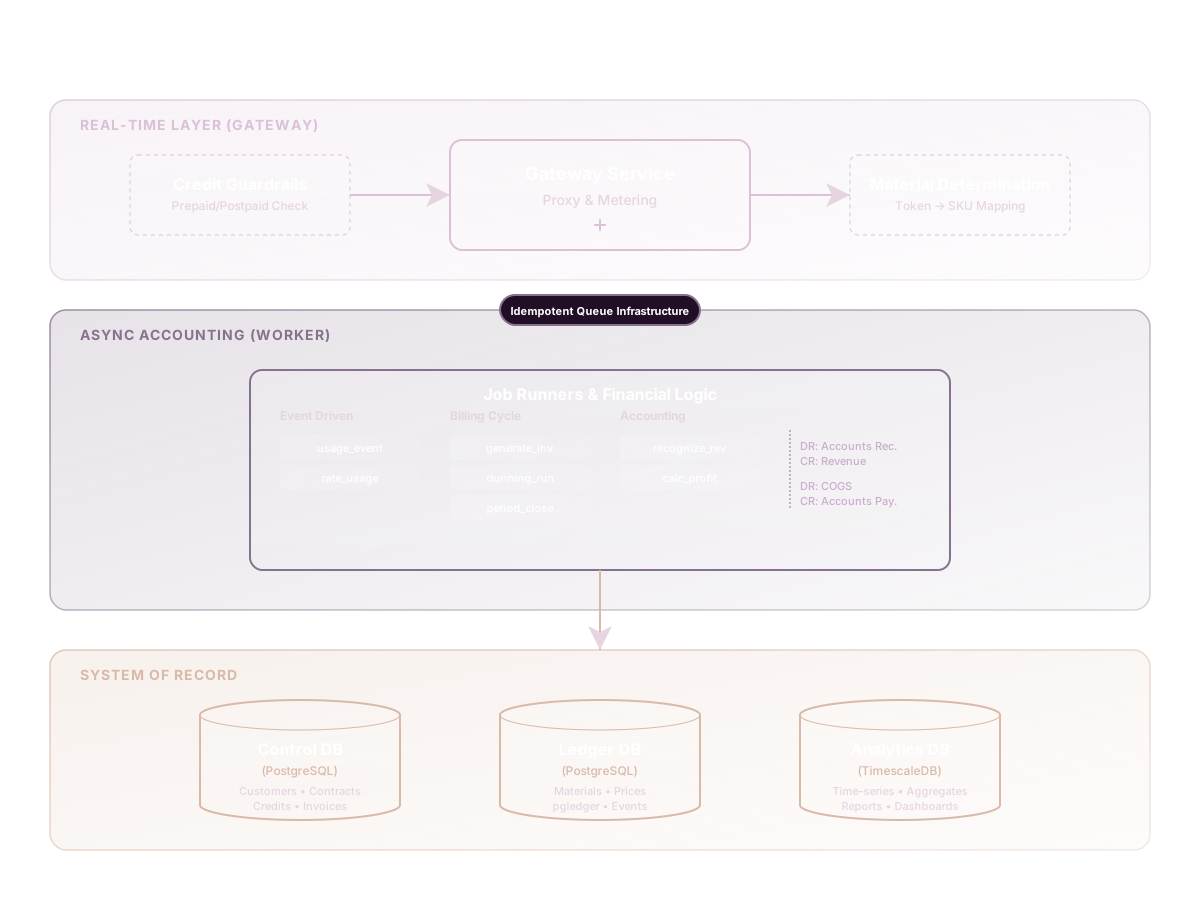
Total Observability
Every token, tool call, reasoning loop — captured at the edge.
Real-Time Costs
Live cost visibility across 250+ LLMs and APIs instantly.
Dynamic Burn
Adjust credit burn per call, per agent, per product line.
Policy Engine
Built-in pricing logic, expiry, and economic policy enforcement.
Flexible Consumption Mapping
The hardest part of the complexity is simply deciding how many credits each action “costs”. StringCost supports flexible mapping strategies:
Dynamic Proportional
Tie credits to measurable units like 1 credit per 1,000 tokens. Abstraction keeps it simple for users, while protecting your margin.
Tiered & Fast-Lane
Charge non-linearly. A “Fast Agent” using a premier model consumes credits faster than a standard agent. You define the rate.
Outcome-Based Bundles
Price per coarse outcome (e.g., “Video Gen = 20 credits”). Crucially, our proxy ensures the burn is proportional to actual backend costs.
Drop-in Billing Infrastructure
You don't need to build a ledger, write a proxy, or handle race conditions in Postgres. StringCost handles the plumbing.
1. The Proxy
Route your LLM calls through `api.stringcost.com`. We act as a gateway between your app and OpenAI/Anthropic.
2. The Ledger
We meter tokens in real-time. We calculate the cost, check the user's wallet balance, and deduct credits instantly.
3. The Gatekeeper
Zero balance? Request blocked. You never pay for an API call that you haven't already been paid for.
Stripe handles the Charge.
We handle the Credits Modelling, Consumption & Billing.
Building a credit system is hard. You need to handle top-ups, expirations, decimals, and concurrency. StringCost gives you a robust Credits Proxy Gateway so you can focus on building your agent, not your billing engine.
Used by AI-first companies worldwide